



Restaurant loyalty programs are structured marketing strategies designed to incentivize repeat patronage. They offer rewards, discounts, and exclusive benefits to members. A critical metric in evaluating their effectiveness is Average Order Value (AOV). This represents the mean transaction size per customer visit. This article examines the mechanisms through which loyalty programs influence AOV. It includes case studies from major global chains and empirical research in the foodservice industry.
Definition and Economic Significance
Average Order Value
Average Order Value is calculated as:
In restaurant operations, AOV serves as a key performance indicator. It ranks alongside metrics like table turnover rate, customer acquisition cost, and lifetime value. Incremental improvements in AOV compound across transaction volume. This produces substantial revenue gains. For example, increasing AOV by ₹150 across 100 daily transactions generates ₹45 lakh in additional annual revenue.
You must also know the difference between AOV and APC
Strategic Importance
Elevated AOV correlates with improved unit economics. It enables better fixed cost absorption. It enhances gross margins on bundled offerings. It increases customer lifetime value. In third-party delivery marketplaces, restaurants with higher AOV often receive preferential algorithmic placement. This is due to the platform’s commission structure. It creates a virtuous cycle of visibility and revenue growth.
Read more about: The Simple Way to Improve Your Customer Return Time
Theoretical Framework
Behavioral Economics Foundations
Loyalty programs leverage several psychological principles to influence purchasing behavior.

Status Seeking and Tiered Hierarchies: Humans exhibit inherent desires for social status and achievement. Tiered loyalty structures exploit this by creating artificial scarcity. They do this through exclusive membership levels. This triggers what behavioral economists term “goal gradient effects.” This is the tendency to accelerate effort as one approaches a reward threshold.
Mental Accounting: When customers preload funds into a loyalty account, they engage in mental accounting. The same happens when they accumulate points. This separates these resources from “real money.” This cognitive bias reduces price sensitivity. It encourages larger purchases. Research on stored-value cards demonstrates this effect.
Sunk Cost Fallacy: Members who have invested time or money into achieving loyalty status exhibit increased commitment. They show higher purchase frequency. They demonstrate larger basket sizes. This justifies their initial investment.
Endowment Effect: Once customers possess loyalty points or status, they value these assets highly. They value them more than their objective worth. This makes them more willing to spend additional money to maximize redemption value.
Program Architectures
Classification of Loyalty Systems
Modern restaurant loyalty programs generally fall into several archetypal structures.

Point-Accumulation Systems
The most common model awards points based on monetary spend. For example, 1 point per ₹100. Some award points based on transaction count. Points accumulate in member accounts. They can be redeemed for discounts, free items, or exclusive experiences. The psychological appeal lies in tangible progress visualization. It also offers delayed gratification.
Tiered Membership Programs
These systems segment members into hierarchical categories. Common tiers include Bronze, Silver, Gold, or Platinum. Categorization is based on spending velocity or frequency. Each tier unlocks progressively valuable benefits. These include enhanced point accrual rates, priority service, exclusive menu access, or complimentary upgrades. The tier structure creates psychological “stickiness.” This happens as members approach promotion thresholds.
Subscription-Based Models
A growing segment operates on paid membership principles. Customers pay recurring fees in exchange for guaranteed benefits. Benefits include free delivery, percentage discounts on all orders, or unlimited access to specific products. These programs ensure revenue predictability. They lock customers into habitual patronage patterns.
Hybrid Systems
Sophisticated operators combine multiple architectural elements. They offer free basic membership with optional paid premium tiers. Others layer point accumulation atop tiered status systems. This maximizes engagement across customer segments.
Mechanisms of AOV Elevation
A restaurant loyalty program employs various tactical mechanisms to increase average transaction values.
Spend-Based Point Accrual
Unlike visit-based rewards, spend-based systems create direct correlation between transaction size and reward velocity. Visit-based rewards incentivize frequency alone. When customers earn 1 point per ₹100 spent, they are economically incentivized to consolidate purchases. They increase basket size. Research indicates this can elevate AOV by 8-15% compared to frequency-only programs.
Threshold Incentives
Setting minimum spend requirements for reward eligibility exploits the psychological tendency toward completion. A promotion offering “₹200 off your next order when you spend ₹1,500 today” encourages customers to add incremental items. They do this to cross the threshold. This often results in purchases exceeding the discount value. This mechanism is particularly effective when the threshold is set 15-25% above current AOV.
Bundling and Combo Preferencing
Loyalty programs can preferentially reward purchase of bundled offerings. They do this through bonus point multipliers. For example, “2x points on combo meals.” This simultaneously increases AOV and improves kitchen efficiency through order standardization. The perceived value enhancement of bonus points often exceeds the actual discount. This creates margin-positive upsells.
Tiered Conversion Ratios
Advanced programs employ variable point redemption values based on membership tier. For example:
- Bronze: 20 points = ₹1 discount
- Silver: 10 points = ₹1 discount
- Gold: 5 points = ₹1 discount
This structure creates economic incentive to achieve higher tiers through increased spending. The redemption efficiency doubles or quadruples. The mathematical advantage of elite status drives members to concentrate spending at a single brand. This prevents fragmentation across competitors.
Gamification Elements
Incorporating game-design elements activates intrinsic motivation beyond pure economic calculation. These elements include challenges, badges, and limited-time multipliers. A challenge like “Order 5 times this month for a free entrée” creates urgency and habit formation. “Try 3 new menu items for 200 bonus points” encourages exploration of premium or high-margin offerings.
Case Studies: Global Restaurant Chains
Starbucks Rewards
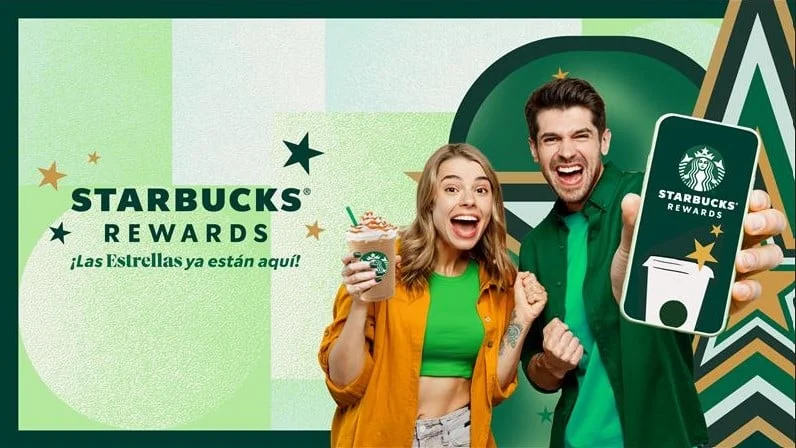
Starbucks operates one of the most sophisticated loyalty ecosystems in foodservice. It has over 30 million active members in the United States. The program’s architecture centers on “Stars” earned per dollar spent. Redemption thresholds exist at 25, 50, 150, and 400 Stars for items of increasing value.
AOV Impact Mechanism: The program encourages stored-value card usage. It offers bonus Stars for preloading funds. This creates mental accounting separation. It reduces price sensitivity. Studies of Starbucks customers show loyalty members spend approximately 3x more annually than non-members. Higher AOV per transaction is attributable to customization add-ons. Food attachment to beverage purchases also contributes.
Innovation: The introduction of “Star Dash” challenges creates urgency. These challenges involve spending $X over Y days for bonus Stars. This inflates basket size during promotional periods.
Chick-fil-A One

Chick-fil-A’s tiered program demonstrates the power of status differentiation. It includes Member, Silver, Red, and Signature tiers. Members earn points per dollar. Tier status unlocks exclusive perks. These include surprise rewards and priority treatment.
AOV Impact Mechanism: The tier promotion thresholds are relatively accessible. You need 30 points for Silver, 1,000 for Red, and 5,000 for Signature within a year. This encourages concentrated spending to achieve and maintain status. The surprise-and-delight elements of unexpected rewards create positive reinforcement for larger orders.
Domino’s Piece of the Pie Rewards

Domino’s employs a simplified model. Earn 10 points per order of $10 or more. Redeem 60 points for free medium 2-topping pizza. This frequency-focused approach still impacts AOV through the minimum order threshold.
AOV Impact Mechanism: The $10 minimum creates a floor for reward-eligible transactions. This prevents very small orders from contributing to rewards. Additionally, the high perceived value of the free pizza reward incentivizes customers to add items. They do this to ensure they exceed the minimum. The reward is typically valued at $12-15.
Panera Bread Unlimited Sip Club
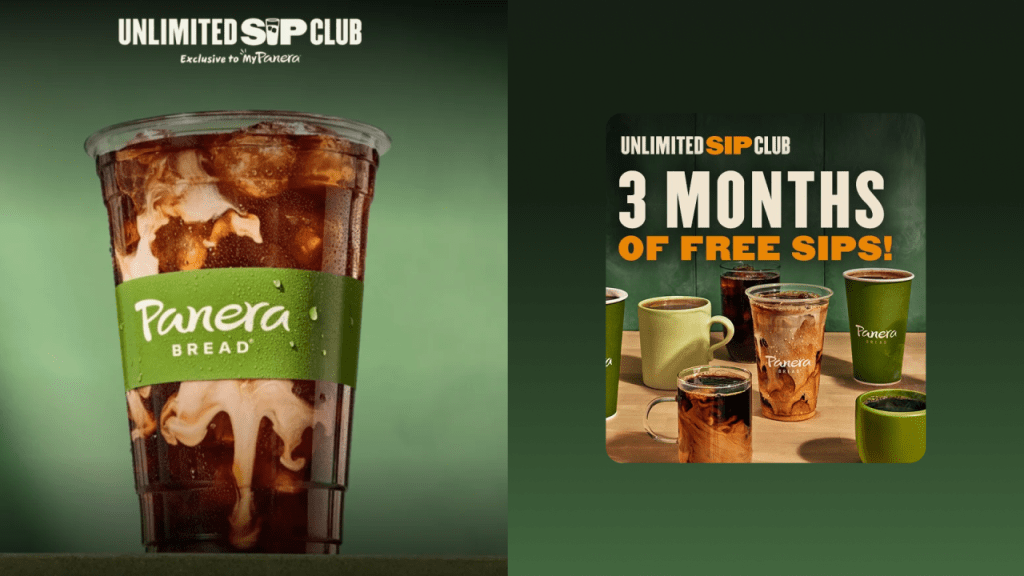
Panera’s subscription model represents a different approach to loyalty-driven AOV. It costs $12 per month for unlimited beverages.
AOV Impact Mechanism: Subscription members visit more frequently. They demonstrate 30% higher food attachment rates. The “free” drink reduces psychological barrier to making a food purchase. The sunk cost of the monthly fee motivates utilization. This increases overall transaction frequency and food spend per visit.
Implementation Strategies
Designing for AOV Growth
Effective loyalty program design for AOV elevation requires systematic approach.
Baseline Measurement: Establish current AOV segmented by customer cohort, daypart, and transaction channel. Identify target segments with highest elasticity and growth potential.
Reward Structure Selection: Choose point-to-currency ratios that provide meaningful value. This typically means a 2-5% effective discount. Maintain margin sustainability. Model various threshold and multiplier scenarios against transaction data to optimize ROI.
Tier Architecture: Design tier promotion thresholds based on spending distribution analysis. Set initial tier at 60th percentile of current spend. Mid-tier should be at 85th percentile. Elite tier should be at 95th percentile. This creates achievable yet aspirational targets.
Communication Strategy: Deploy multi-channel promotion. This includes point-of-sale materials, receipt messaging, mobile app notifications, and staff training on enrollment tactics. Messaging should emphasize value accumulation and status achievement. It should not focus on discounting.
Tactical Campaign Examples
Threshold Promotions: “Spend ₹1,500 this week, receive ₹200 loyalty credit for next visit.” This targets customers currently averaging ₹1,100-1,300 AOV. It encourages incremental additions.
Category Bonuses: “3x points on desserts this month” drives attachment sales in high-margin categories. It increases overall basket size.
Time-Limited Multipliers: “Double points on all orders this weekend” creates urgency. It encourages larger stockpiling orders. This is particularly effective in QSR formats.
Performance Metrics and Analytics
Key Performance Indicators
Evaluating loyalty program effectiveness on AOV requires tracking several metrics.
Member vs. Non-Member AOV Differential: This is the primary metric. It typically shows 8-15% elevation in mature programs. Track monthly to identify seasonal patterns and campaign impacts.
Tier Performance Variation: Analyze AOV by membership tier to validate tier structure effectiveness. Elite tiers should demonstrate 30-50% higher AOV than base tier.
Redemption Behavior: Monitor which rewards drive highest AOV during redemption visits. “Free item with purchase” redemptions should show elevated AOV. Compare this to “discount on total” redemptions.
Promotion Response Elasticity: Measure incremental AOV lift during threshold and multiplier promotions against control groups. This calculates true incrementality versus cannibalization.
Customer Lifetime Value by Cohort: Track longitudinal spending patterns of loyalty cohorts versus non-members. This quantifies total program value beyond single-transaction AOV.
Statistical Methodologies
Rigorous analysis employs several techniques. These include A/B testing of reward structures. Regression analysis isolates loyalty impact from confounding variables. Cohort analysis measures long-term behavioral changes attributable to program participation.
Technology Platforms
Digital Infrastructure for Loyalty Management
Modern loyalty programs require robust technological infrastructure. This enables point tracking, member communication, and redemption processing.
Cloud-Based Loyalty Platforms: Specialized platforms provide end-to-end loyalty management. They handle member enrollment, point accrual, tier management, and redemption processing. These systems integrate with POS terminals and mobile applications.
WhatsApp-Based Systems: In emerging markets, WhatsApp integration has become essential. Platforms like Reelo leverage WhatsApp’s ubiquity to deliver loyalty program communications. This reaches customers on their preferred channel. Reelo’s approach enables restaurants to send personalized offers, point balances, and redemption codes directly through WhatsApp. This eliminates the need for customers to download separate applications.
Mobile Applications: Dedicated loyalty apps provide rich user experiences. They offer features like mobile ordering, payment, and location-based offers. However, adoption rates vary significantly by market and customer demographic.
POS Integration: Seamless integration with point-of-sale systems is critical. This ensures accurate point accrual and real-time redemption validation. It prevents fraud and reduces staff training requirements.
Data Analytics and Personalization
Advanced platforms employ machine learning algorithms. They analyze purchase patterns and predict customer behavior. They deliver personalized offers. Systems like Reelo enable restaurants to segment customers by spend patterns. They can then target high-potential guests with AOV-boosting campaigns. For example, a customer who typically spends ₹800 might receive an automated offer: “Spend ₹1,200 this week, get ₹200 off next visit.”
Automated Campaign Management: Modern platforms automate reward delivery based on behavior triggers. After three visits, the system automatically sends a free drink voucher. After five visits, it sends a BOGO offer. This reduces manual effort while ensuring consistent member engagement.
CRM Integration: Linking loyalty data with customer relationship management systems creates comprehensive customer profiles. This enables sophisticated segmentation and lifetime value optimization.
Challenges and Considerations
Economic Sustainability
Aggressive loyalty rewards can create margin erosion if not carefully calibrated. Programs must balance perceived value against actual discount depth. Typically, this means targeting 3-6% revenue investment in rewards for sustainable economics.
Discount Dependency
Poorly structured programs risk training customers to purchase only during promotional periods. They may view regular pricing as illegitimate. This “promotion addiction” degrades baseline revenue. It complicates pricing strategy.
Data Privacy and Management
Effective personalization requires comprehensive customer data collection and analysis. This raises privacy concerns. It creates regulatory compliance requirements under frameworks like GDPR. Evolving data protection statutes also apply.
Operational Complexity
Multi-tiered programs with complex rules increase training requirements for frontline staff. They create potential for execution errors. They increase customer service burden from program-related inquiries.
Regional Adaptations
Indian Market Considerations
India’s restaurant loyalty landscape exhibits unique characteristics. These require program adaptation.
Payment Infrastructure: WhatsApp’s ubiquity makes it the preferred communication channel for program updates. It’s used for redemption codes. This supplements or replaces dedicated mobile applications in smaller operations. Platforms like Reelo have emerged specifically to address this market need. They provide WhatsApp-native loyalty solutions for Indian restaurants.
Value Sensitivity: Indian consumers demonstrate high price elasticity. This makes threshold-based promotions particularly effective. However, careful calibration is required. This avoids training discount dependency.
Family Dining Patterns: Group dining prevalence means AOV naturally skews higher. This suggests spend-based rewards may be more effective than visit-based systems in full-service formats.
Cash vs. Digital: While digital payment adoption accelerates, cash transactions remain significant. This requires hybrid program structures. They must accommodate offline point accrual and redemption.
Regional Variations: India’s diverse regional preferences necessitate localized approaches. Menu preferences, price sensitivity, and dining occasions vary significantly across metros, tier-2 cities, and smaller towns.