Back
Back











 BACK TO BLOG HOME

The Indian restaurant industry is not for the faint-hearted. With intense competition, evolving consumer habits, and rising operational costs, success is never a given. Yet, visionaries like Yash Bhanage, Founder and COO of Hunger Inc., have mastered the art of building thriving restaurants. As the mastermind behind renowned brands like The Bombay Canteen, O Pedro, Bombay Sweet Shop, Veronica’s, and enthucutlet, he has redefined success in this demanding industry.
In our latest episode of Today’s Special, Yash sat down with us to share his incredible journey, packed with lessons, challenges, and those lightbulb moments that shaped his restaurants. It wasn’t just about food; it was about people, culture, and the magic that makes a restaurant truly stand out.
So, what makes Yash Bhanage tick? And more importantly, what can restaurant owners and aspiring entrepreneurs learn from his journey? Let’s dive into his insights.
1. Authenticity in Brand Identity Builds Long-Term Success
For Yash, a strong and authentic brand identity isn’t just about logos and colors but the entire experience.

At Hunger Inc. every brand has a distinct personality. The branding, from visual identity to menu curation, reflects a unique story that resonates with people.
For instance, The Bombay Canteen was designed to evoke nostalgia, reimagining classic Indian flavours in a contemporary setting. On the other hand, Veronica’s, their legendary sandwich shop, brings a fresh and playful energy with bold flavours and a community-driven approach. These stories aren’t just marketing tactics, they’re embedded in the very DNA of the brands.
Takeaway: Your restaurant’s identity should be more than just aesthetics. Define what makes you different and let it guide every decision.
2. Translating Concepts into Visual Identity
Yash emphasizes that the process of branding isn’t just about creating a logo or picking a color palette; it’s about translating a restaurant’s philosophy into something tangible.

For The Bombay Canteen, the branding represents a mix of nostalgia and contemporary India, ensuring that customers feel an emotional connection the moment they walk in.
Takeaway: Your restaurant’s branding should be a true extension of its philosophy, not just a surface-level exercise.
3. Customer Experience Goes Beyond Food: Storytelling Matters
For Yash, hospitality isn’t just about great food or efficient service. It’s about creating an experience that makes customers feel something.
“People may forget what they ate, but they will never forget how you made them feel,” he emphasizes.
At The Bombay Canteen, every detail is meticulously designed to offer warmth, nostalgia, and delight, from the regional ingredients to the homely yet quirky interiors. The idea is to create a space that tells a story, making every visit memorable.
Takeaway: Focus on emotions, not just transactions. Your restaurant should be a place people want to return to, not just for the food but for the overall vibe and experience.
4. Structuring Teams Across Multiple Brands
With multiple brands under Hunger Inc., managing teams efficiently is crucial. Yash explains that structuring teams well ensures operational smoothness.
“We hire people not just for their skills, but for their alignment with our culture. Skill can be taught, but passion and values are non-negotiable.”
He believes in empowering employees and giving them ownership, which results in better service and creativity.
Takeaway: Hire for cultural fit first, then train for skills. A strong team structure enables sustainable growth.
Watch the full episode here:
5. Adaptability is Key in the Ever-Evolving F&B Industry
The restaurant business is unpredictable. Whether it’s changing food trends, economic slowdowns, or a global pandemic, those who don’t adapt get left behind.
Yash and his team had to pivot during the pandemic, launching DIY meal kits and taking The Bombay Canteen experience to people’s homes. This ability to innovate kept them relevant when many restaurants struggled to survive.
Takeaway: Change is inevitable. The question is: how fast can you adapt? Keep experimenting, take calculated risks, and always be ready to evolve.
6. Evolving from Nostalgia to ‘India of Today’
The Bombay Canteen started as a tribute to nostalgia, bringing back lost recipes and flavors. But as India evolves, so does the restaurant.
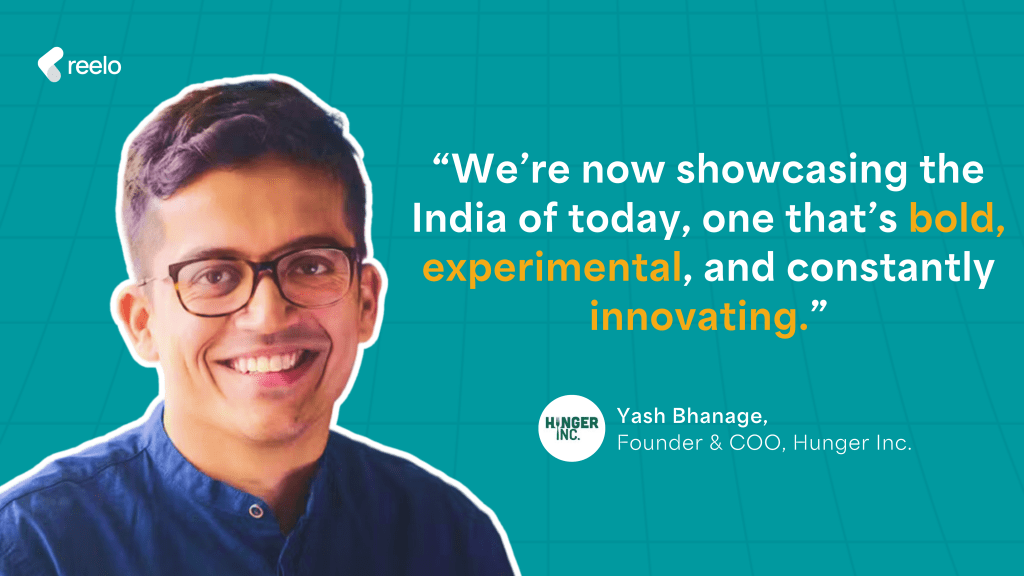
The menu has evolved to reflect modern Indian dining while keeping its essence intact.
Takeaway: Keep your brand’s core intact but allow it to evolve with time and consumer preferences.
7. Balancing Innovation and Cultural Sensitivity in Menu Design
Innovation in food is exciting, but it must be done with respect to its cultural roots. Yash stresses the importance of keeping authenticity alive while experimenting with flavors.
“If you innovate just for the sake of it, you lose credibility. It has to make sense to your brand and audience.”
Takeaway: Respect tradition while pushing boundaries. Customers love innovation, but not at the cost of cultural authenticity.
8. Navigating Trends Without Losing Brand Identity
Trends come and go, but strong brands remain timeless. Yash talks about how he approaches trends cautiously.
“We don’t jump on every new fad. Instead, we ask: Does this align with our brand? If not, we skip it.”
This approach has helped The Bombay Canteen maintain its distinct identity.
Takeaway: Be selective with trends. Stay true to what your brand represents, and don’t chase every passing wave.
9. Entrepreneurship Requires Both Passion and Business Acumen
Passion fuels creativity, but business sense keeps the engine running. Yash stresses that running a restaurant isn’t just about a love for food, it’s about understanding numbers, structuring teams, and making strategic decisions.

From structuring teams across multiple brands to developing scalable systems for restaurant operations, Yash believes in setting up strong foundations to ensure long-term success.
Takeaway: Dream big, but back it up with solid business planning and team management.
10. Developing Scalable Systems for Restaurant Operations
Sustaining multiple brands requires strong backend systems. Yash highlights the importance of building processes that scale efficiently without losing quality.
“If you want to expand, you need systems that allow you to do so without compromising the guest experience.”
This means investing in training, technology, and operational efficiency.
Takeaway: Scale smartly. Build systems early to ensure smooth growth without operational hiccups.
Final Thoughts
Yash Bhanage’s journey is proof that success in the restaurant business isn’t just about great food. It’s about emotions, storytelling, adaptability, team culture, and community.
Whether you’re running a small cafe or dreaming of opening a chain, his insights serve as a powerful guide to building something meaningful and long-lasting.
So, the next time you step into The Bombay Canteen or O Pedro or any other brand that falls under the umbrella of Hunger Inc., know that you’re not just experiencing a meal, you’re experiencing a vision brought to life. And maybe, just maybe, you’ll walk away with ideas to transform your restaurant journey, too.