Back
Back







 BACK TO BLOG HOME
Keeping customers loyal isn’t just a nice-to-have for restaurants; it keeps the business going. With so many choices out there, getting people to come back instead of just dropping by once makes a huge difference.
The numbers say it all: loyal customers spend 67% more than new ones, and if you can increase customer retention by just 5%, your profits can jump anywhere between 25% and 95%. Still, even with stats like these, a lot of restaurants end up setting up loyalty programs that barely get noticed.
So what makes the difference between a loyalty program that actually works and one that just sits there? In one word: rewards. But not just any rewards — they need to be thoughtful, exciting, and something your customers actually care about.
This isn’t about handing out another boring punch card. It’s about building a loyalty experience that feels right for your brand and gets people genuinely excited to come back. Whether you’re starting from scratch or fixing up an old program, the rewards you offer are going to be the real game-changer.
The Psychology Behind Effective Restaurant Loyalty Program
Before selecting specific rewards, understanding the psychological triggers that drive loyalty is crucial. Restaurant customers are motivated by four primary factors:

- The Value Proposition
Customers need to perceive that what they’re getting back is worth more than the effort of participation. A Cornell University study found that rewards perceived as having higher value relative to effort generated higher participation rates. - Exclusivity and Status
People love feeling special. Programs that create a sense of “membership” or “insider status” tap into our natural desire to belong to exclusive groups. This explains why tiered programs often outperform flat-structure rewards. - Immediate vs. Delayed Gratification
Your reward structure must balance immediate satisfaction (small, instant rewards) with long-term goals (bigger rewards for continued patronage). Research shows that programs combining both elements have 45% higher engagement rates. - Emotional Connection
Perhaps most importantly, effective rewards create an emotional connection to your restaurant. When rewards feel personalized rather than transactional, customers develop brand loyalty that transcends economic incentives.
Mapping Rewards to Your Restaurant Type
Different restaurant concepts require different reward approaches. Here’s how to align your rewards with your restaurant type:
Fine Dining Establishments
- Effective Rewards: Exclusive chef’s table experiences, wine pairing events, priority reservations during peak times
- Ineffective Rewards: Discount-focused offers that might cheapen the premium brand perception
- Key Consideration: Focus on exclusivity and personalized attention rather than monetary value
Fast-Casual Restaurants
- Effective Rewards: Free menu items after X visits, add-on perks (free drink or side upgrade), surprise complimentary items
- Ineffective Rewards: Complex points systems that require calculations
- Key Consideration: Speed and simplicity are paramount—rewards should be as convenient as your service
Family Restaurants
- Effective Rewards: Family-bundle offers, kids-eat-free promotions, birthday celebration packages
- Ineffective Rewards: Adult-oriented rewards that exclude children
- Key Consideration: Make rewards shareable and inclusive of the entire family unit
Speciality/Niche Restaurants
- Effective Rewards: Access to special ingredients, themed events, educational experiences related to your cuisine
- Ineffective Rewards: Generic rewards unrelated to your unique concept
- Key Consideration: Leverage your specialization as a reward itself—offer experiences that highlight your uniqueness
You must go through our Restaurant trend survey report to know exactly what works for your restaurant.
10 High-Impact Reward Options to Consider
- Tiered Reward Structure
Create multiple membership levels (Bronze, Silver, Gold, Platinum) with increasingly valuable benefits. This drives continued engagement as customers strive to reach higher tiers.
Implementation Tip: Make tier achievements visible (through digital badges or special treatment) to leverage status motivation. - Birthday/Anniversary Rewards
Customers feel personally recognized when you remember their special dates. Offering celebration packages creates emotional connection points.
Implementation Tip: Collect birthday information during sign-up and set automated reminders for staff. - Skip-the-Line Privileges
For busy restaurants, allowing loyalty members to bypass wait times offers tremendous perceived value with minimal cost.
Implementation Tip: Create a dedicated “loyalty members” reservation slot during peak hours. - Early Access to Seasonal Menus
Give loyal customers first dibs on trying new menu items or seasonal specials before the general public.
Implementation Tip: Host exclusive tasting events for loyalty program members when launching new menus. - Surprise and Delight Moments
Unexpected rewards create disproportionately positive impressions.
Implementation Tip: Train staff to identify program members and occasionally offer unexpected complimentary items. - Community Impact Rewards
Allow members to donate their points or rewards to local charities or community causes, creating goodwill and positive brand association.
Implementation Tip: Partner with local organizations that align with your restaurant values. - Cooking Classes or Recipe Shares
Offering behind-the-scenes culinary knowledge creates value beyond the typical dining experience.
Implementation Tip: Host quarterly cooking demonstrations for top-tier loyalty members. - Progressive Earning Rates
Implement systems where earning rates increase with patronage frequency (e.g., double points during the customer’s second visit in a week).
Implementation Tip: Use your POS system to track visit frequency and automatically adjust earning rates. - Friend Referral Bonuses
Reward customers for bringing new diners, turning your loyalty members into active brand ambassadors.
Implementation Tip: Provide unique referral codes that are easily shareable on social media. - Experiential Rewards
Create memorable moments that money can’t typically buy, like dining at the chef’s table or customizing a special dish with the chef.
Implementation Tip: Reserve one table per month specifically for loyalty reward redemptions.
Success Stories Worth Emulating
Sea Salt Cafe
Introducing Its New Loyalty Program on Instagram!
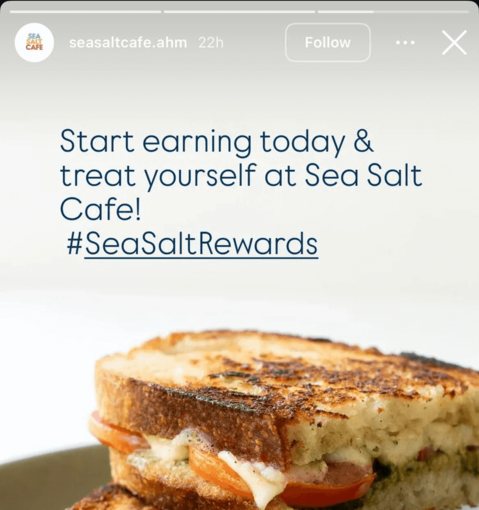
Sea Salt Cafe used Instagram to create excitement for its new loyalty program. With a simple and engaging story, they grabbed attention, highlighted the benefits, and made it easy to join.
Huddle and Score
Using Good Looking Standees to Promote the Loyalty Program
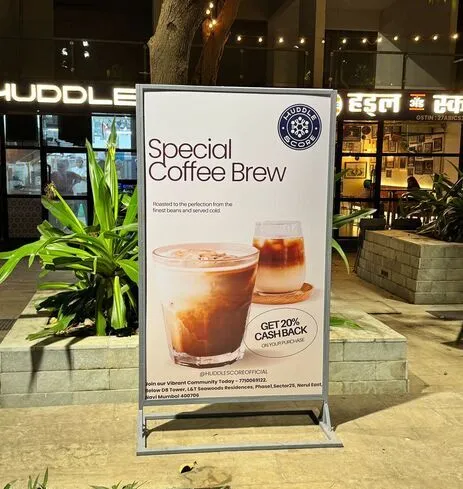
Huddle and Score uses the tried and tested marketing technique of going big with large creative standees at the entrance to announce their loyalty program. There is no chance anyone can miss this when they enter the restaurant.
Harajuku Tokyo Cafe
Gamifying Loyalty to Build Loyalty
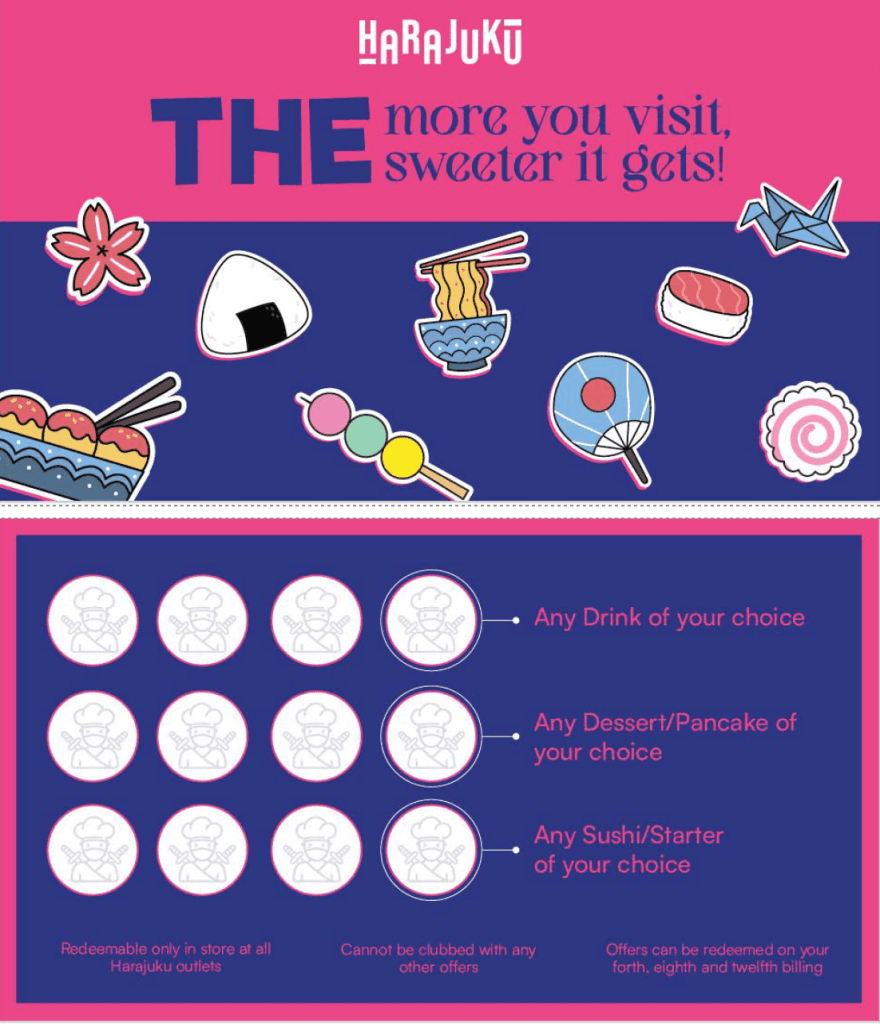
Harajuku Tokyo Cafe uses creative genius to create memorable loyalty programs and Campaigns with QR which stay with you long after your visit!
Key Takeaways from These Success Stories:
- Use social platforms where your customers already engage
- Tie loyalty program launches to special occasions when possible
- Make your loyalty program introduction creative and engaging rather than purely transactional
Avoiding Common Pitfalls
Overly Complex Rules
Many restaurants create programs so complicated that customers give up before understanding the benefits. Keep your structure simple enough to explain in one sentence.
Insufficient Value Perception
If rewards feel insignificant or require too much spending, customers won’t engage. Ensure your program offers at least a 5-10% effective return on spending.
Poor Communication
Even the best program will fail if customers don’t know about it. Develop a communication strategy that includes:
- In-restaurant signage
- Menu mentions
- Website and social media promotion
- Email marketing to existing customers
- Server talking points
Neglecting the Experience
Remember that loyalty programs complement, but don’t replace, exceptional food and service. Programs work best when they enhance an already positive dining experience.
The Future of Restaurant Loyalty
Looking ahead, restaurant loyalty programs are evolving in exciting ways:
AI-Driven Personalization
Advanced systems are beginning to predict customer preferences and proactively offer personalized rewards before customers even know what they want. (Reelo is already doing that)
Cross-Brand Collaboration
Restaurants are partnering with complementary businesses (wine shops, theatres, local events) to offer broader reward ecosystems.
Sustainability Integration
Leading programs are incorporating sustainability elements, allowing customers to direct rewards toward environmental initiatives or highlighting eco-friendly menu choices.
Final Thoughts: Your Rewards, Your Brand
The most successful loyalty programs are authentic extensions of your restaurant’s unique identity and values. Whether you’re a family-owned bistro or a trendy fusion spot, your rewards should reflect what makes your establishment special.
By focusing on creating genuine value, emotional connection, and memorable experiences, your loyalty program can transform occasional diners into passionate advocates who not only return regularly but also bring friends and family along.
Remember: in a world of endless dining options, the restaurants that thrive are those that make customers feel like they belong to something special. Your loyalty program isn’t just about the rewards, it’s about creating a community around your table.
About The Author