Back
Back










Premises License
Before the first dish is served or the first chair is placed, there’s one thing every restaurant needs: the legal right to operate on its chosen property. That right comes in the form of a premises license—a requirement that can either set your business up for success or stop it before it starts.
What Is a Premises License?
A premises license gives you official approval to operate a restaurant (or any commercial activity) at a specific location. It confirms that your intended use of the property aligns with local zoning laws, building regulations, and municipal codes.
In simple terms, it’s the legal permission to open a restaurant in your chosen space. Without it, your entire operation could be considered unlawful, even if your menu and concept are flawless.
Why It Matters
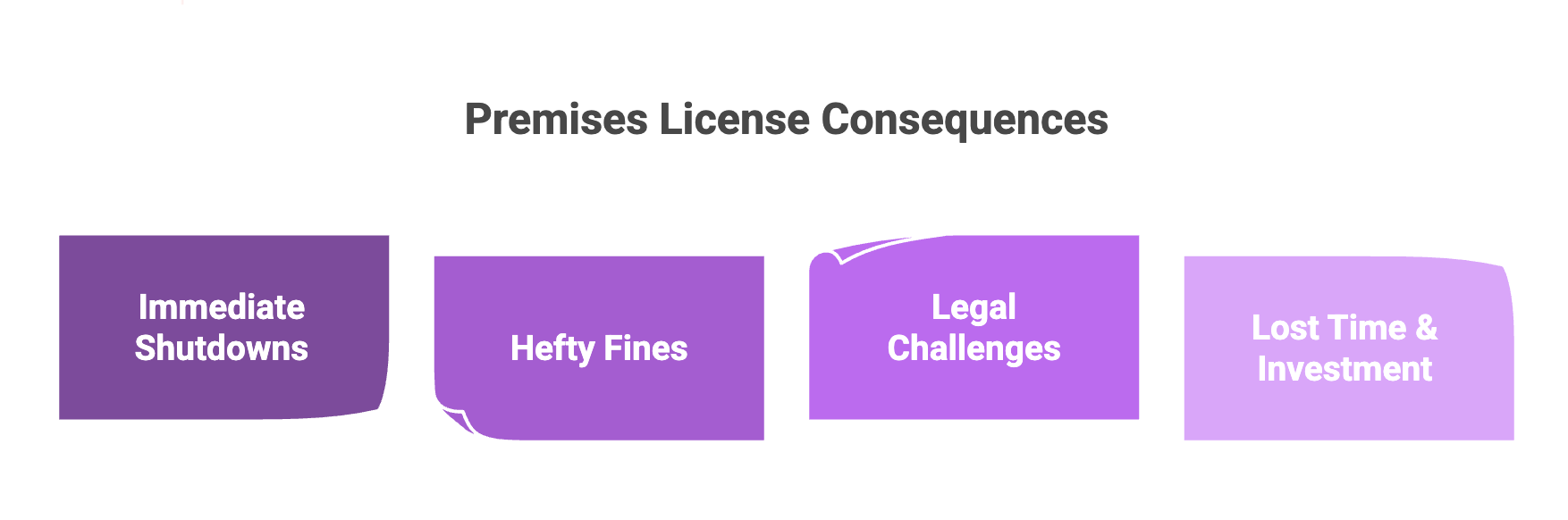
Operating without a valid premises license can lead to:
-
Immediate shutdowns
-
Hefty fines
-
Legal challenges
-
Lost time and investment
This makes licensing one of the most important first steps before signing a lease or investing in property improvements.
Zoning Compliance: Step One
Cities and towns divide land into zones: residential, commercial, industrial, or mixed-use. Most restaurants need commercial zoning, or a conditional use permit if located in a mixed-use area.
Trying to open a restaurant in a space that’s zoned for residential use? That’s a fast track to legal trouble unless you get proper exceptions—and those aren’t always granted.
What the Application Involves
Premises license applications vary by city and state, but they often require:
-
Site surveys and floor plans
-
Details about your restaurant’s concept and hours of operation
-
Proof of parking availability
-
Plans for waste management and noise control
-
Building inspections and fire safety checks
-
Public hearings or community notices (especially for alcohol or late-night service)
These steps aren’t just red tape—they’re how local authorities ensure your business won’t disrupt the surrounding community or compromise safety standards.
Building Code Compliance
Securing a license also depends on whether the property meets building and health codes for restaurant operations. This can include:
-
Adequate ventilation in kitchen areas
-
Commercial-grade plumbing and electrical systems
-
Restroom facilities
-
Accessibility compliance for people with disabilities
-
Emergency exits and fire safety systems
Sometimes, even a great-looking space requires costly structural modifications before it’s legally usable as a restaurant.
Special Cases: Historic and Landmark Properties
If your dream location is in a heritage building or landmark site, be prepared for more hurdles. Preservation laws might restrict what you can change, from signage to internal layouts—even if those changes are needed for safety or function. You may need special permits and extended approvals, which can delay your opening significantly.
Parking and Traffic Impact
Cities are increasingly focused on how new restaurants affect parking and traffic in busy neighborhoods. Some licensing authorities require:
-
On-site parking minimums
-
Traffic flow studies
-
Impact assessments
If your restaurant is expected to draw large crowds, especially during peak hours, you’ll need to prove that local infrastructure can handle the demand.
Financial Implications
Premises licensing costs go far beyond application fees. Consider:
-
Property renovations to meet code
-
Delays in approvals
-
Legal or consultant fees
-
Required insurance or bonds
These expenses can add up quickly and should be factored into your launch budget early on.
Work With Experts
The licensing process can be complex and time-consuming. Bringing in professionals—like restaurant-focused attorneys or architects familiar with zoning codes—can save you months of frustration.
They can help you:
-
Avoid common pitfalls
-
Identify hidden issues with your space
-
Speed up approvals with properly prepared documents
Compliance Doesn’t End After Approval
Getting your license is just the beginning. Many licenses must be renewed annually or updated if your operations change (like adding alcohol service or expanding hours).
Falling out of compliance—whether through noise complaints, zoning violations, or failure to meet new codes—can result in:
-
Fines
-
Temporary closure
-
Permanent license revocation
Staying informed and proactive is essential.
Do Your Homework Before You Sign Anything
The best time to think about licensing is before you commit to a location. Before you sign a lease or start renovations:
-
Verify zoning compliance
-
Ask for past licensing records
-
Understand what modifications the property may need
-
Estimate the timeline and cost for full approval
Many promising restaurant sites come with hidden licensing challenges. A little due diligence early on can save you enormous costs—and even heartbreak—later.