Back
Back










 BACK TO BLOG HOME
The answer depends on what kind of repeat business you’re trying to build for your restaurant.
Membership programs give you predictable revenue and create a committed community of regulars. Customers pay upfront, so they’re motivated to keep coming back to get their money’s worth. But memberships only work when people already trust your restaurant enough to invest before they order.
Loyalty programs take a different approach. They’re free to join, reward customers for repeat visits, and work well when you’re still turning first-timers into regulars. The trade-off? You don’t get guaranteed revenue upfront, and it takes longer to see results.
Neither option is inherently better. The right choice depends on your customer base, your business goals, and where your restaurant is right now. Some restaurants even run both, a free loyalty program for everyone and a paid membership for superfans who want exclusive perks.
This guide breaks down how both models work, their benefits, real-world examples, and a practical framework to help you decide what fits your restaurant best.
Understanding Restaurant Loyalty Programs
What Are Restaurant Loyalty Programs?
Loyalty programs are structured systems where customers earn rewards for repeat purchases. These could be in the form of points, stamps, or offers.
The idea is simple: keep customers coming back by rewarding them for their loyalty. Think of it as a digital version of the old-school “buy 9, get the 10th free” punch cards, but way smarter.
Types of Loyalty Programs in Restaurants
1. Point-Based Programs
Customers earn points for every rupee they spend. These points unlock free items, discounts, or special offers. It’s simple and effective.
2. Tiered Loyalty Programs
These programs create different reward levels. Think Bronze, Silver, and Gold tiers. Each level offers better perks than the last.
Higher tiers make customers feel special. They also encourage more spending to reach the next level.
3. Value-Based Programs
These programs connect rewards to meaningful causes. For example, every ₹500 spent could donate a meal to charity.
Value-based programs appeal to socially conscious customers. They create emotional connections beyond just discounts.
Benefits of Loyalty Programs
Cost-Effective Customer Retention
Acquiring new customers costs 6-7 times more than keeping existing ones. Loyalty programs make retention affordable and effective.
Higher Customer Spending
Loyalty program members spend more per visit. They’re also more likely to try new menu items.
Word-of-Mouth Marketing
Happy, loyal customers become brand advocates. They recommend your restaurant to friends and family.
Real-World Success Stories
Nando’s Peri Peri Rewards Customers get rewarded on every visit. They can redeem points for free meals and exclusive experiences.

Winni Cakes & More, Jagraon Their simple formula works: ₹50 spent equals 50 points. Customers redeem points for sweet treats, encouraging frequent purchases.
Understanding Restaurant Membership Programs
Membership programs require customers to pay an upfront fee in exchange for ongoing perks. Think of it like a Netflix subscription, only here, it’s for free appetisers, birthday treats, or priority reservations.
Read more in detail about restaurant membership programs
What Are Paid Membership Programs?
These programs require an initial investment from customers. In return, they get continuous benefits like free appetizers, birthday treats, or priority reservations.
Advantages of Paid Memberships
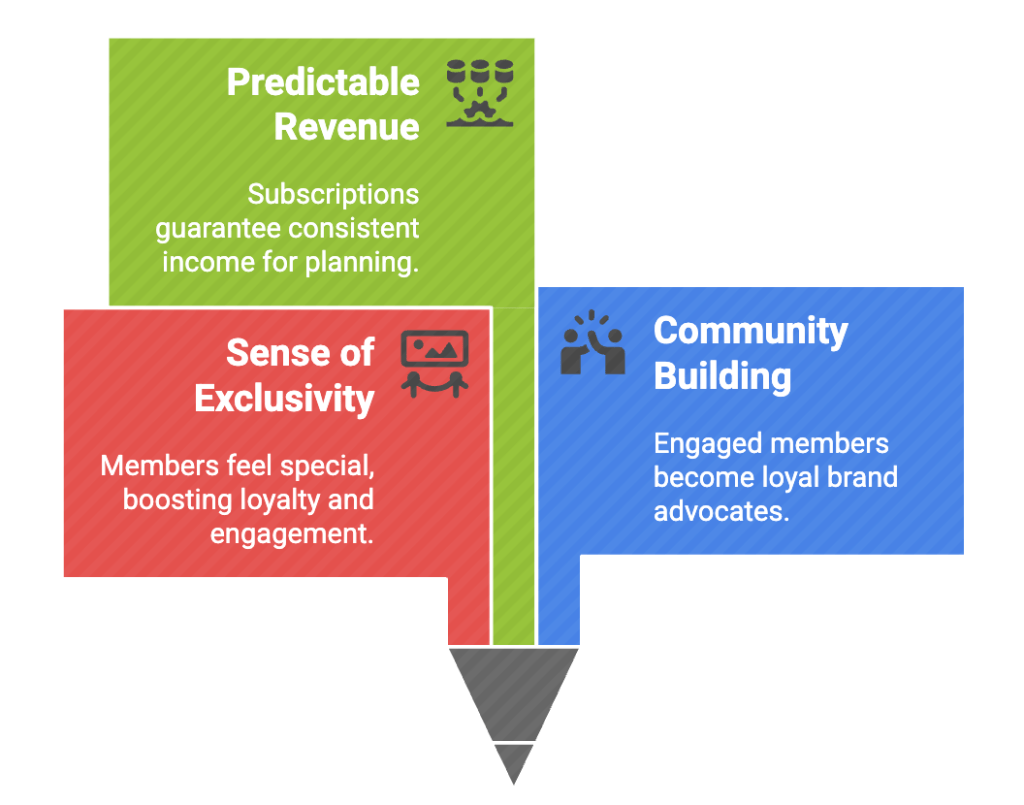
Sense of Exclusivity
Members feel like VIPs. They enjoy benefits that regular customers don’t get. This exclusivity drives loyalty.
Community Building
Memberships create a tight circle of engaged patrons. These customers become your restaurant’s biggest supporters.
Predictable Revenue
Subscriptions provide guaranteed monthly or annual income. This helps with cash flow planning and business stability.
Popular Membership Models and Tiers
Typical Restaurant Membership Tiers
- Silver (₹299/month): 10% off every visit + free coffee once a week
- Gold (₹599/month): All Silver benefits + priority reservations and special event invites
- Platinum (₹999/month): All Gold benefits + birthday meal voucher + exclusive tasting menus
Customers appreciate knowing what perks they get at each level, making it easier for them to choose and upgrade.
Real-Life Example: Third Wave Coffee’s Prepaid Wallet Program

Third Wave Coffee has taken a smart approach with its prepaid wallet system. Here’s how it works:
- Add ₹600 and get ₹660 (₹60 cashback)
- Add ₹1000 and get ₹1100 (₹100 cashback)
- Add ₹1500 and get ₹1700 (₹200 cashback)
- Add ₹2000 and get ₹2200 (₹200 cashback)
The catch? This money can’t be transferred back to the user’s bank account — it can only be used to place orders at Third Wave Coffee.
Why it works:
This model encourages customers to pre-load funds, ensuring repeat visits and locking in future spending. Plus, the cashback bonus feels like a win, nudging customers to spend a bit more upfront to get more value later.
For restaurants looking for a loyalty twist, prepaid wallets can build both trust and consistent cash flow — a win-win.
Restaurant Memberships vs Loyalty Programs: Key Differences

The Psychology Behind These Programs
These programs tap into powerful psychological drivers:
Loss Aversion Once customers earn points or pay for membership, they’re motivated to use their benefits. They don’t want to waste what they’ve already invested.
Endowment Effect People value things more once they “own” them. A loyalty card with points or a paid membership feels valuable.
Commitment Bias When customers commit to a program, they’re more likely to stay loyal. Even mental commitment drives behavior change.
Social Proof Seeing others unlock perks creates FOMO (fear of missing out). This encourages more people to join.
Hybrid Model Spotlight: The Best of Both Worlds
Can’t choose between loyalty and membership? You don’t have to.
Many modern restaurants are combining both:
- A free loyalty program to reward casual visitors
- A premium membership layer for super-fans who want more
Example Hybrid Setup:
- Free: Earn points on every visit
- Premium (₹299/month): Extra points per visit + birthday gift + priority reservations
This approach helps you:
- Cater to a broader customer base
- Drive daily footfall while also boosting high-value revenue
- Build a long-term community around your brand
How to Choose the Right Program for Your Restaurant

Use this practical checklist to make your decision:
Analyze Your Customer Behavior
Visit Frequency
- Are most customers casual or frequent visitors?
- Do they spend small amounts often or large amounts less frequently?
Evaluate Your Business Model
Average Order Value High-value restaurants might benefit more from membership programs.
Traffic Goals Want to drive daily footfall? Loyalty programs work better.
Assess Your Internal Capacity
Team Resources Do you have staff to manage a program effectively?
Technology Comfort Are you comfortable with tech tools, or do you need simple solutions?
Consider Your Brand Personality
Restaurant Type Casual hangout spots suit loyalty programs. Premium dining destinations work well with memberships.
Customer Values Do your customers prefer deals or exclusivity?
Implementation Tips for Success
Keep It Simple
Make your program easy to understand and join. Complicated rules discourage participation.
Offer Attractive Rewards
Balance attractiveness with sustainability. Don’t promise what you can’t deliver long-term.
Use Automation
WhatsApp reminders and app integrations help manage programs efficiently. They also improve customer experience.
Start Small
Begin with a basic program. Gather feedback and evolve based on what you learn.
Conclusion
Restaurant loyalty and membership programs are powerful tools for building relationships and boosting revenue.
Loyalty programs offer low barriers to entry and work great for driving volume.
Membership programs provide exclusivity and predictable revenue streams.
Hybrid models combine the best of both approaches.
Your choice should match your audience, business goals, and operational capacity. Don’t overthink perfection. Start simple, listen to feedback, and improve over time.
Whether you choose a basic stamp card or a sophisticated app-powered system, the goal remains the same. Make every customer feel valued each time they dine with you.
Frequently Asked Questions
What’s the difference between loyalty programs and memberships?
Loyalty programs are free and reward repeat visits. Memberships require payment but offer ongoing premium perks.
How much should restaurants charge for paid memberships?
Most restaurants charge between ₹99-₹999 per month. The price depends on the perks offered.
Do loyalty programs work for small restaurants?
Yes. Even basic point systems can drive repeat business and boost customer engagement.
Which successful programs should I study?
Look at Nando’s Peri Peri Rewards and Starbucks Rewards globally. In India, Winni Cakes & More has built effective local programs.
How do value-based loyalty programs work?
These programs link customer actions to causes. For example, donating meals or planting trees when customers hit spending milestones.
About The Author