Back
Back










 BACK TO BLOG HOME
For over 26 years, Pop Tate’s has been a go-to hangout spot in Mumbai, attracting generations of customers who come for the comfort food, lively atmosphere, and consistent experience. But what’s the secret behind this long-standing success?
We sat down with Roop, the marketing head of Yellow Banana Food Company (the parent brand behind Pop Tate’s, Urban Tadka, Chimichurri, Current Affairs, and Cherry & Chocolate), to understand how restaurant marketing has evolved and what it takes to stay ahead in an ever-changing F&B landscape.
The Evolution of a Restaurant Marketing Maverick
Roop’s journey into restaurant marketing is anything but conventional. A professional musician for over 20 years, he spent his early career marketing brands in the entertainment industry before diving headfirst into hospitality during the pandemic. This unique background shaped his approach to marketing—one that focuses on storytelling, community-building, and strategic execution.

With this philosophy, Roop transitioned from working with music brands to building one of Mumbai’s most beloved restaurant chains. His first big break in hospitality marketing was with Jimis Burger, where he transformed a word-of-mouth brand into a marketing powerhouse. From there, he brought his expertise to Yellow Banana Food Company, overseeing marketing for five brands and nearly 60 outlets.
The Three Pillars of Restaurant Marketing
1. The Power of Storytelling
One of the biggest lessons Roop swears by is the importance of storytelling in brand-building.
“In India, people love stories. That’s why Bollywood is so huge. The same applies to restaurant marketing—you need to weave a compelling story around your brand, its founder, and its mission.”
This is exactly what worked at Jimis Burger. This personal connection strengthened brand loyalty and made customers feel like they were part of something bigger.
For Pop Tate’s, the story is nostalgia. It’s been around for decades, serving as a comfort spot for multiple generations. By tapping into this emotional connection through social media and marketing campaigns, Roop ensures the brand remains relevant, even as new competitors emerge.
2. Social Media & Influencer Marketing: The Non-Negotiables
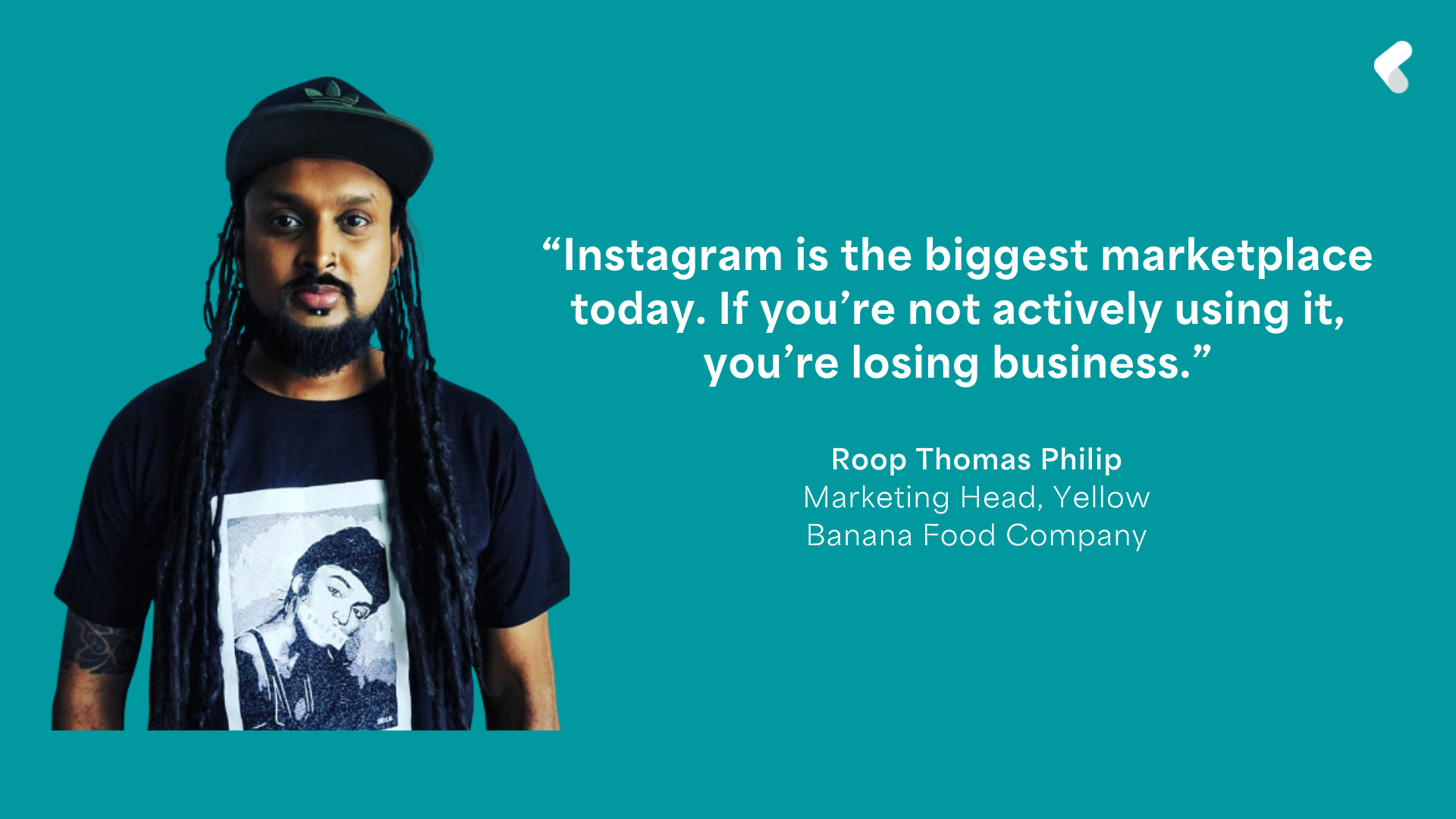
Social media plays a huge role in driving footfall to Pop Tate’s. Roop’s team uses a mix of organic and paid strategies to create content that’s not only visually appealing but also engaging and shareable. Reels showcasing food, behind-the-scenes content, customer reactions, and employee stories have helped maintain a strong digital presence.
Additionally, influencer marketing has been a game-changer. Instead of blindly collaborating with big influencers, Roop focuses on micro-influencers who have highly engaged audiences in specific locations.
“If I’m promoting a new outlet in Thane, I’ll work with influencers who have a strong following in that area. It’s not just about reach—it’s about reaching the right people.”
This hyper-local targeting ensures that marketing efforts convert into actual visits and repeat customers. To streamline this process, Reelo helps engage customers effectively, turning them into loyal patrons through personalized campaigns and data-driven insights.
3. Going Beyond Digital: Outdoor & Experiential Marketing
While digital marketing is essential, Roop believes that brands should also invest in outdoor marketing and experiential campaigns to increase visibility.
“If there’s a big concert happening, make sure your brand is present there. Whether it’s a stall at a festival or a pop-up at a local event, being where your audience already is will do wonders for your brand.”
For Jimis Burger, Roop executed over 12 major event collaborations, including stalls at music festivals like Lollapalooza and 50 Cent’s concert in Mumbai. These activations not only generated massive sales but also increased brand awareness among the right audience.
At Pop Tate’s, Roop applies a similar strategy, sponsoring and participating in events that align with the brand’s vibe.
Watch the entire episode here:
Scaling Marketing Across 60+ Outlets
Managing marketing for one restaurant is challenging enough, but handling 60 outlets across multiple brands requires a well-structured approach. Roop has built an in-house marketing team that operates like a full-fledged agency, handling everything from content creation to digital ads, influencer collaborations, and PR.
“We are our own agency. Instead of outsourcing, we’ve invested in building an internal team that understands the brand inside out. This allows us to be agile, cost-effective, and more creative.”
Each outlet has its own marketing budget and tailored strategy based on its location and target audience. By decentralizing marketing efforts while maintaining a strong brand vision, Roop ensures consistency across all outlets while allowing for localized marketing initiatives.
Key Takeaways for Restaurant Owners & Marketers
- Build a Strong Brand Story: People connect with stories, not just products. Find your restaurant’s unique narrative and weave it into your marketing.
- Leverage Social Media Effectively: Focus on Instagram and Reels. Consistency and engagement matter more than just follower count.
- Use Hyperlocal Influencer Marketing: Work with micro-influencers who genuinely align with your brand and target audience.
- Invest in Outdoor & Experiential Marketing: Be present at events where your ideal customers are already spending time.
- Create an In-House Marketing Team: If you have multiple outlets, consider building an internal team instead of outsourcing everything to an agency.
Final Thoughts
Roop’s marketing playbook is a mix of creativity, data-driven decisions, and a deep understanding of human behavior. Whether it’s turning restaurant owners into personal brands, utilizing influencer marketing effectively, or making strategic event placements, his approach proves that restaurant marketing is more than just selling food—it’s about creating an experience.
As Pop Tate’s continues to evolve and expand, one thing remains constant: the commitment to staying relevant and resonating with customers. And with Roop leading the charge, the brand’s future looks as exciting as its legendary sizzlers!
What marketing strategies have worked for your restaurant? Share your thoughts with us!
About The Author