Back
Back







 BACK TO BLOG HOME
You’re spending ₹30,000 a month on marketing and still have empty tables on Tuesday nights.
Those Facebook ads? Crickets. That 40% discount you ran last month? Lost money on every order. The food blogger who posted about your restaurant? 5,000 likes, zero reservations.
You’re working 14-hour days cooking, managing staff, and trying to keep the lights on. And somehow you’re supposed to be a marketing expert too?
Here’s the truth: that packed restaurant down the street isn’t spending more than you. They’re just doing 3-4 things consistently that actually work.
This guide shows you exactly what those things are, tactics that cost almost nothing but fill tables. No marketing degree required.
1. Weaponize Your Regulars (Customer Acquisition Cost: ₹0)
Stop spending money to find new customers when your existing ones will do it for free.
The play: Design a referral program that actually motivates action.
Free appetizer + 10% off when they bring a first-timer. Five successful referrals = complimentary meal.
Why it works: Your regulars are your most credible salespeople. Their friends trust them infinitely more than your ads. A punch card system costs you ₹50 to print and generates an average of 3.2 new customers per active referrer.
Pro tip: Make the reward instant. Waiting kills momentum.
2. Dominate ONE Platform (Not Five Mediocre Ones)
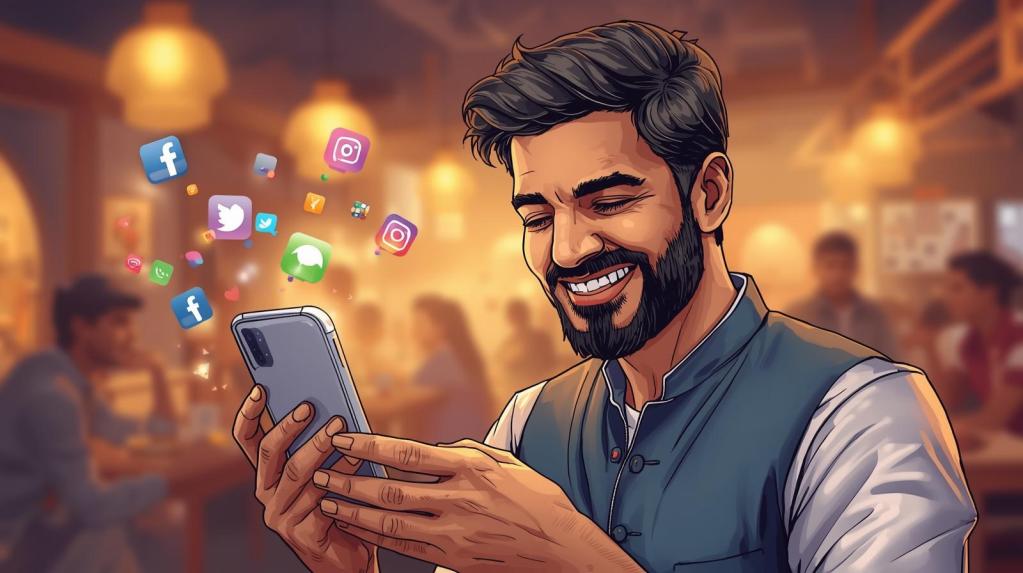
You’re trying to post on Instagram, Facebook, Twitter, TikTok, and LinkedIn. It’s exhausting, and honestly? None of them is really working.
The play: Pick the single platform where their target customers actually engage. For 80% of restaurants, that’s Instagram. Post 4-5x weekly: behind-the-scenes content, daily specials, customer testimonials (with permission), process videos.
The targeting hack: Local hashtags are underutilized gold. #PuneFoodie, #[City]Eats, #[Neighborhood]Food. These micro-communities are actively searching for their next meal.
Reality check: 500 engaged local followers will fill more tables than 10,000 random ones.
3. Google My Business = Free Prime Real Estate
This is the single highest-ROI marketing activity for local restaurants, and 60% of small restaurants are doing it wrong.
The optimization checklist:
- Claim and verify the listing
- Upload 20+ high-quality food photos
- Update hours and menu weekly
- Respond to EVERY review within 24 hours
- Post weekly updates about specials
The numbers: Restaurants that post weekly on GMB see a 30% increase in search visibility. When someone searches “restaurants near me,” you either exist or you don’t. Make sure you exist.
Time investment: 30 minutes per week. That’s it.
4. The “Secret Menu” Psychology Play

Exclusivity drives demand. Always has, always will.
The strategy: Create one off-menu item only available to social followers or WhatsApp group members. Rotate monthly. Build mystery around it.
Why customers bite: FOMO is a powerful motivator. People will follow your social media and join your list just to access the “insider” option. Then they’ll come in to try it. Then they’ll tell their friends about it.
Bonus: This gives you a testing ground for new menu items with your most engaged customers.
5. Cross-Promotion with Non-Competing Neighbors
Your client’s restaurant exists in an ecosystem. Tap into it.
The partnership model: Identify 3-4 nearby businesses with overlapping demographics but different offerings, such as a gym, salon, office building, boutique. Exchange promotional flyers and exclusive discounts.
Why it scales: You’re accessing their customer base for free. If each business has 200 regulars, you just got potential exposure to 800 new people. Zero ad spend.
Implementation: Keep it simple. “Show your gym membership, get 15% off.” Done.
6. Engagement Hack: “Name This Dish” Contest
User-generated content campaigns don’t need to be complex.

The mechanic: Create a new menu item. Post on social. Best name wins free dish for a month + bragging rights.
What you’re actually buying: Engagement, emotional investment, and a built-in story for the menu item. Comments and shares extend your organic reach.
Cost: One free meal per month. Value generated: Hundreds of impressions and a community-building moment.
7. Loyalty Programs That Actually Work
Forget expensive app-based solutions that customers never use.
The analog win: Physical punch cards. Buy 9, get the 10th free. Or spend ₹5,000 over any timeframe, receive ₹500 credit.
The psychology: The endowment effect is real. Once someone has 3 stamps on their card, they’re psychologically committed to completing it. You’ve just manufactured repeat visits.
Print cost: ₹0.03 per card. Customer lifetime value increase: 40-60%.
8. WhatsApp VIP Groups: Direct-to-Customer Pipeline
WhatsApp is where your customers actually pay attention.
The strategy: Create an exclusive group for top customers. Daily specials, last-minute availability, first access to new items, member-only discounts.
The rules: Maximum one message per day. Make every message valuable. No spam.
Why it converts: 98% open rate vs. 20% for email. Direct access to customers who have already signaled high intent.
9. Monthly “Chef’s Table” Experience
Create artificial scarcity and charge for it.
The format: One evening per month. 6-8 seats. Special tasting menu. Chef presents each dish, shares stories, offers cooking tips.
The marketing value: Attendees will post, tag, and evangelize. You’re creating content creators out of paying customers.
Pricing strategy: Charge enough to cover costs + 20%. This isn’t about profit, it’s about positioning and word-of-mouth.
10. Engineer Instagram-Worthy Moments

If your restaurant isn’t “grammable,” you’re leaving money on the table.
The investment: Design one corner for photos. Interesting wall, strategic lighting, neon sign, something memorable.
The multiplier effect: Every customer photo with location tag is free advertising to their entire network. Make it effortless for them.
Budget: ₹5,000-15,000 one-time. ROI: Unlimited user-generated content.
11. Monetize Dead Hours with Off-Peak Specials
Empty tables between 3-5 PM are lost revenue you’ll never get back.
The aggressive play: 50% off appetizers, ₹149 coffee + dessert combos, “Afternoon Happy Hour” positioning.
The math: Better to fill tables at reduced margins than sit empty at zero revenue. Fixed costs are already paid.
Secondary benefit: You’re training customers to think of your restaurant outside traditional meal times.
12. Birthday Club: The Trojan Horse Strategy
You’re not giving away free dessert. You’re buying a table of full-paying guests.
The system: Collect birthdays (with permission). Send offer one week before: free dessert or 20% off meal.
Why it prints money: Birthday celebrants bring 5-10 guests who pay full price. Your “cost” is one dessert. Your revenue is a full table on what might have been a slow night.
Retention play: You’re creating annual touchpoints with customers automatically.
13. Micro-Influencer Strategy (Not Celebrity Partnerships)
Forget paying celebrities ₹50,000 for one post nobody trusts.
The smart play: Find local food bloggers with 2,000-10,000 engaged followers. Offer complimentary meal for honest coverage.
Why it works: Micro-influencers have actual influence in their communities. Their followers trust their recommendations. Three authentic posts from micro-influencers will drive more traffic than one from a celebrity.
Vetting process: Check engagement rates, comment quality, and audience demographics before reaching out.
14. Delivery Packaging as Marketing Real Estate
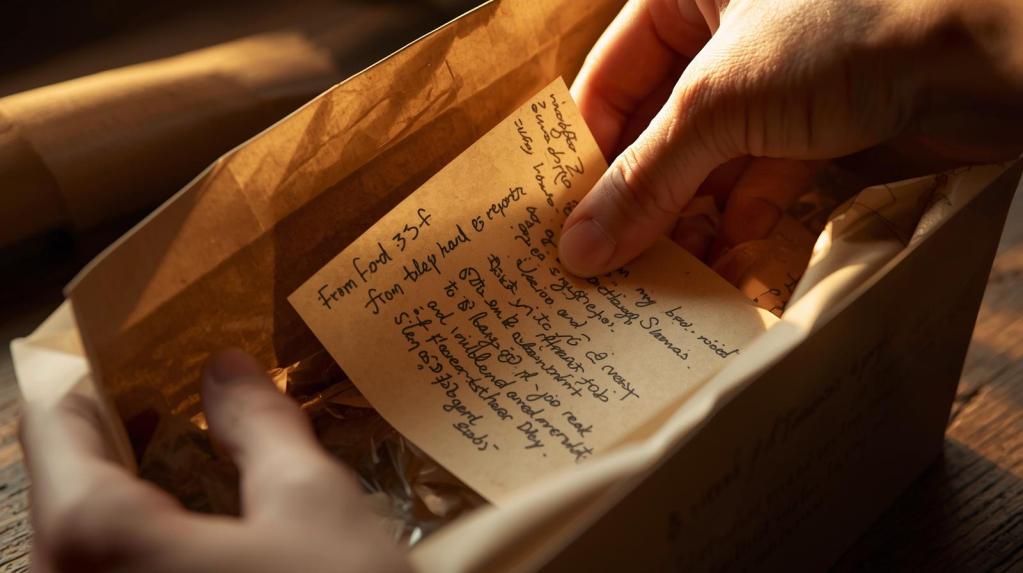
In a sea of brown boxes, be memorable.
The checklist:
- Handwritten “thank you” note
- Loyalty program flyer
- Branded stickers
- Small mint or chocolate
- QR code to review page
Cost per order: ₹8-15. Value: Brand recall and repeat orders.
The insight: Delivery customers never see your restaurant’s ambiance. Your packaging IS their experience.
15. Community Events: Long-Term Brand Equity
Once per quarter, be more than a restaurant.
The options: Fundraiser breakfast for local cause, open mic night, kids’ cooking class, meet-the-chef evening.
What you’re building: Community connections that transcend transactional relationships. People support businesses that support them.
ROI timeline: 3-6 months. This is brand building, not direct response.
The Implementation Framework
Here’s what actually works:
- Pick 3-4 tactics that align with your client’s brand and operational capacity
- Test for 60 days with consistent execution
- Measure ruthlessly: Track which tactics drive foot traffic, repeat visits, and social engagement
- Double down on winners, kill the losers
- Remember: These tactics amplify great food and service. They don’t fix bad fundamentals.
FAQ for Restaurant Marketers
Q: What’s the realistic marketing budget for small restaurants?
A: 3-6% of revenue is standard. But with these tactics, ₹5,000-10,000/month can generate significant results. Most of these strategies are time-investment, not cash-investment.
Q: How do you prioritize which platform to focus on?
A: Audience behavior, not your preference. Instagram for visual food content works for most. LinkedIn if targeting corporate lunch crowds. TikTok for Gen Z. Follow your customers, not trends.
Q: What’s the realistic timeline for results?
A: GMB optimization and off-peak specials: immediate. Social media and loyalty programs: 8-12 weeks. Community events: 3-6 months. Set expectations according to the clients.
Q: Dine-in or delivery focus?
A: Dine-in customers have higher margins and better lifetime value. They become regulars and refer friends. Delivery is supplementary revenue, not the core strategy for most small restaurants.
Q: How do you handle clients who say they don’t have time for social media?
A: It’s a priority issue, not a time issue. 30 minutes on Sunday to create a week’s content. Batch production. Or hire a college student for ₹5,000/month. Consistency beats perfection.
Q: How do you jumpstart Google reviews for new restaurants?
A: Ask happy customers immediately after great experiences. QR code on tables linking directly to review page. Make it frictionless. Train staff to request reviews after positive interactions.
Q: Do these tactics work across restaurant types?
A: Yes. Core principles apply to cafes, family restaurants, cloud kitchens, and QSR. Adapt the execution to your specific concept and customer base.
The bottom line: Your restaurant clients don’t have a budget problem. They have a creativity and execution problem. These 15 tactics cost almost nothing and generate real results if you implement them correctly and consistently.
Stop wasting money on what doesn’t work. Start doing what does.
About The Author